Soul Retrieval Explained: Signs and What to Expect
By Team Shamans For Hire · · 7 min read
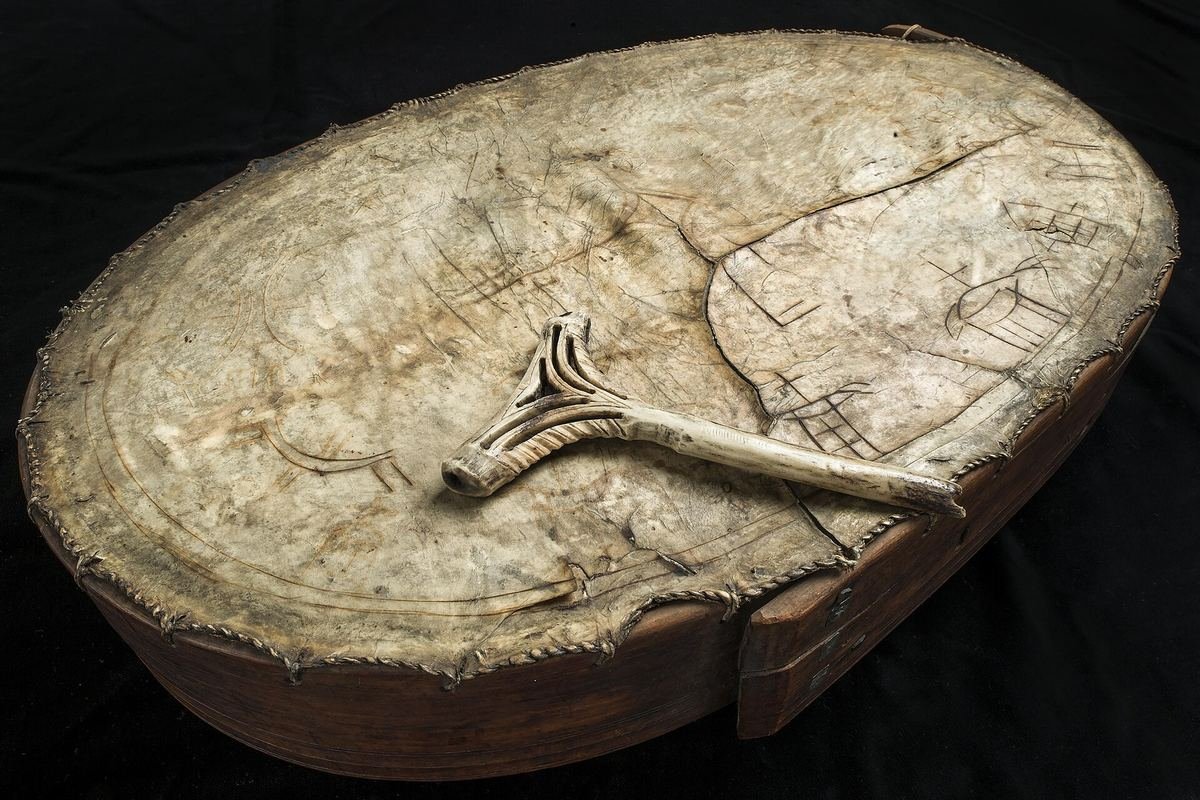
Short answer: soul retrieval is a shamanic practice built on the idea of "soul loss": the belief that during shock, grief or trauma a part of a person's vital essence can split off for protection. In a session, the shaman enters a journey state to locate that part and invite it home, then helps the person welcome it back. It is a spiritual practice that many people find meaningful. It is not a replacement for trauma-informed therapy.
The idea of soul loss
Ethnographers have recorded beliefs about soul loss in many regions, including Siberia, Central and South America, and Southeast Asia. In Latin America, for example, susto ("fright") describes an illness of the spirit after a sudden scare, traditionally treated by a curandero with prayer and ritual. In his classic study, Mircea Eliade described the recovery of a sick person's wandering soul as one of the shaman's most characteristic tasks.
The modern, widely taught form of soul retrieval was popularised by Sandra Ingerman in Soul Retrieval: Mending the Fragmented Self (1991), building on Michael Harner's core shamanism. Ingerman explicitly compares soul loss to what psychology calls dissociation, and she encourages clients to work with therapists too.
Signs people associate with soul loss
Practitioners commonly mention feelings such as:
- "I haven't felt like myself since…" a loss, accident, illness or breakup;
- a persistent sense of numbness, emptiness or being only partly present;
- memory gaps around a difficult period;
- repeating the same painful patterns despite wanting to change.
These experiences can also be signs of depression, PTSD or other health conditions. If they are affecting your daily life, please speak with a doctor or licensed therapist. Spiritual work can sit alongside that care.
What happens in a soul retrieval session
- Conversation. The practitioner asks what you hope for and, gently, about the time when you began to feel different. You never have to share details you're not comfortable with.
- Opening and protection. Prayer, calling on helping spirits or ancestors, and often drumming or rattling.
- The journey. The shaman enters a meditative state and seeks the lost part, which they may describe as an image of you at a certain age or a symbol.
- Return. In many styles the practitioner symbolically "blows" the essence back into the heart and crown. By phone, they describe this and may ask you to breathe it in.
- Sharing and integration. They tell you what they experienced and suggest ways to welcome that part back.
Can soul retrieval be done by phone?
Yes. Because the journey happens in the practitioner's meditative state, many practitioners work at a distance. You'll be asked to lie down somewhere quiet and safe, with headphones if possible. See our page on shamanic healing by phone for how sessions work here.
Integration: the part people skip
Most practitioners say the weeks after a retrieval matter as much as the session. Common suggestions include:
- journaling about what the returned part needs (play, rest, safety, creativity);
- doing something you loved at the age that came up;
- spending time in nature and paying attention to dreams (see dream interpretation);
- being gentle with yourself if old emotions surface, and reaching out to a therapist or trusted friend.
Is soul retrieval part of every tradition?
No. It is prominent in Siberian, Indigenous American and core-shamanic practice. Other traditions frame similar work differently: many African practitioners speak about restoring a person's relationship with their ancestors, or cleansing what has attached to them, rather than retrieving a soul part. Ask a practitioner how their own lineage approaches it; read shamanism traditions around the world for context.
Choosing a practitioner
Because this work touches painful memories, choose carefully. Look for someone who explains their training, doesn't push you to disclose trauma, never promises a cure, and is happy for you to also see a therapist. Our guide to choosing a genuine shaman has a checklist.
Soul retrieval, susto and related ideas across cultures
Ideas similar to soul loss show up in very different places, which is one reason anthropologists have taken them seriously as cultural concepts. In Mexico and Central America, susto is described as fright that causes the soul to leave the body, with symptoms such as restlessness, poor sleep, low appetite and sadness. Healers known as curanderos treat it with a limpia (cleansing), prayers, and calling the person's name to bring the spirit back. Medical anthropologists, notably Arthur Rubel and colleagues in Susto: A Folk Illness (University of California Press, 1984), studied it in depth and found that people diagnosed with susto often carried real social stress and higher rates of illness, a reminder that spiritual and medical care belong together.
In parts of Southeast Asia, Hmong tradition speaks of the soul fleeing after a fright, and of a txiv neeb (shaman) performing ceremonies to call it back, a practice made widely known by Anne Fadiman's book The Spirit Catches You and You Fall Down (1997). In Siberian and Central Asian traditions, the shaman's journey to recover a wandering soul is one of the classic healing acts Eliade described.
Questions to ask a practitioner before a retrieval
- "How did you learn this work, and from whom?"
- "How do you keep the session safe if difficult feelings come up?"
- "Will you tell me what you saw, and will you let me decide what it means for me?"
- "Are you comfortable with me also working with a therapist?" (The answer should be a clear yes.)
What soul retrieval does not do
It does not erase memories, guarantee that difficult feelings will vanish, or replace medical or psychological treatment. A responsible practitioner will tell you that change usually happens gradually, through the integration work you do afterwards, and will never suggest that a single session "fixes" trauma.
Frequently asked questions
What is soul retrieval in simple terms?
A shamanic practice in which a practitioner journeys to recover a part of a person's vital essence believed to have split off during trauma or shock.
Is soul retrieval the same as therapy?
No. It is a spiritual practice. Trauma and mental health conditions should be addressed with a licensed professional; spiritual work can complement that care.
Who popularised modern soul retrieval?
Sandra Ingerman, in her 1991 book Soul Retrieval: Mending the Fragmented Self, drawing on Michael Harner's core shamanism.
Sources and further reading
- Sandra Ingerman, Soul Retrieval: Mending the Fragmented Self (HarperOne, 1991)
- Mircea Eliade, Shamanism: Archaic Techniques of Ecstasy (Princeton University Press)
- Encyclopaedia Britannica, "Shamanism"
- Arthur J. Rubel, Carl W. O'Nell and Rolando Collado-Ardón, Susto: A Folk Illness (University of California Press, 1984)
- Anne Fadiman, The Spirit Catches You and You Fall Down (Farrar, Straus and Giroux, 1997)
- National Institute of Mental Health, "Post-Traumatic Stress Disorder"
Disclaimer: This article is for general information and spiritual interest. Readings and sessions on Shamans For Hire are spiritual guidance for reflection and entertainment purposes only, and are not a substitute for medical, psychological, legal or financial advice. 18+. In a crisis in the US, call or text 988. See our Entertainment Disclaimer and Our Standards.