Psychic Reading vs Shamanic Reading: Key Differences
By Team Shamans For Hire · · 7 min read
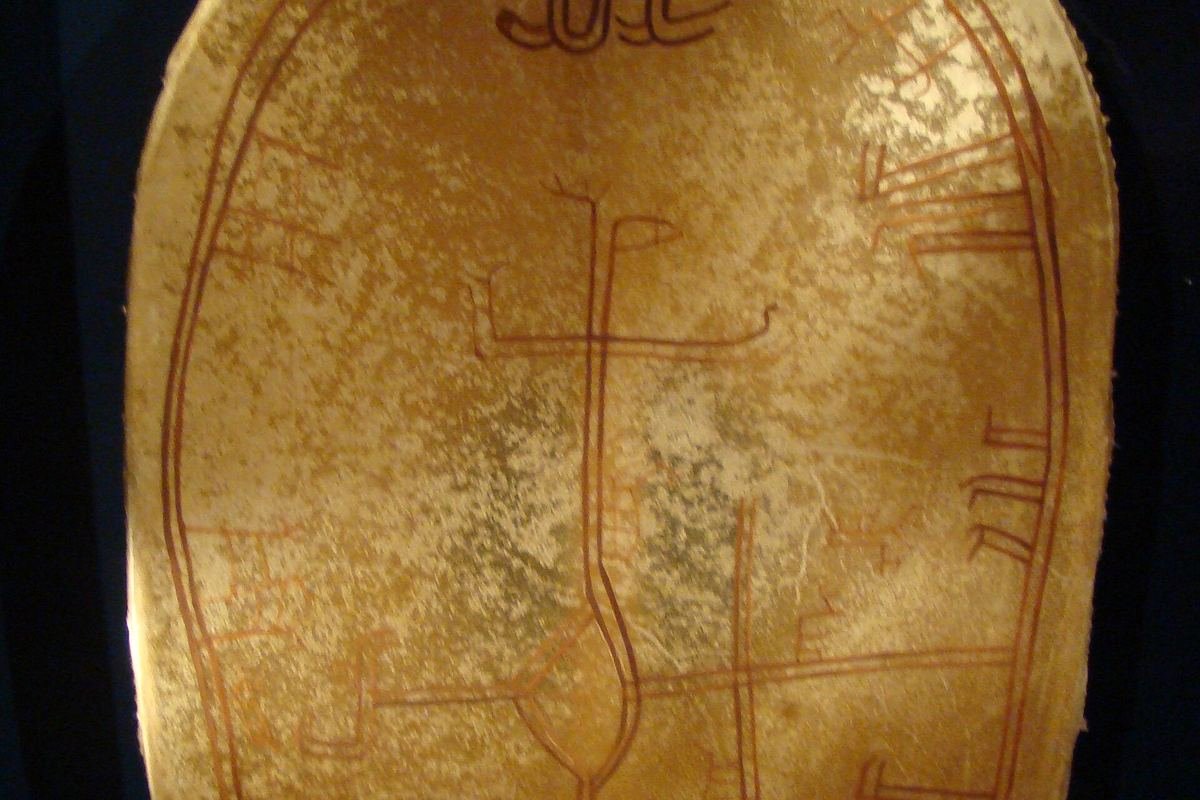
Short answer: a psychic reading usually relies on one person's claimed intuitive or extrasensory ability and often focuses on predicting events. A shamanic reading draws on a spiritual tradition and lineage, and on relationships with ancestors and spirit helpers, and focuses on understanding your situation, restoring balance and giving you practical direction. Both are conversations about your life, but they start from very different places and aim at different things.
People often search for "psychic readings" when what they really want is guidance from someone wise. This article explains the difference so you can choose what fits you.
What is a psychic reading?
A psychic is someone who says they can perceive information beyond the ordinary senses. Common claimed abilities include clairvoyance (perceiving images or events), clairaudience (hearing messages), precognition (knowing future events) and mediumship (communicating with the dead). Researchers group these under "psi" or extrasensory perception (ESP). Many psychics also use tools such as tarot cards, pendulums or astrology charts.
The authority in a psychic reading usually rests on the individual reader's personal gift. There is rarely a teacher, lineage or community that has trained them or holds them accountable, although some readers do study tarot or mediumship formally.
Belief in psychics is widespread: a 2018 Pew Research Center survey found that about four in ten American adults believe psychics are real. Scientific bodies have been more sceptical. A 1988 U.S. National Research Council review found no scientific justification for the existence of parapsychological phenomena, and a 1995 evaluation of the U.S. government's "Stargate" remote-viewing programme concluded that it had never produced information useful for intelligence operations.
What is a shamanic reading?
A shaman is a practitioner trained within a spiritual tradition, often over many years and frequently by a grandparent or elder, whose role is to mediate between people and the spirit world on behalf of their community. The word comes from the Evenki language of Siberia, and similar roles exist worldwide: the sangoma of Southern Africa, the mganga of East Africa, the Korean mudang, the Andean paqo. (See shamanism traditions around the world.)
In a reading, a shaman typically opens with prayer, may drum, rattle or cast bones or shells, may journey in a meditative state, and asks the ancestors or spirit helpers for guidance. They then translate what comes through into something practical: a conversation to have, a ritual to perform, a way to honour an ancestor, a cleansing, or a change in direction.
The differences side by side
- Source of insight. Psychic: personal intuition or a claimed sixth sense. Shaman: a tradition, a lineage, and relationships with ancestors and spirit helpers.
- Typical question. Psychic: "What will happen?" Shaman: "What is going on, and what should I do?"
- Focus. Psychic: prediction and information. Shaman: guidance, healing and balance.
- Methods. Psychic: impressions, tarot, astrology, mediumship. Shaman: prayer, drumming, divination from their own tradition, journeying, ancestral work and cleansing.
- Training. Psychic: often self-taught. Shaman: usually an apprenticeship within a community.
- What you leave with. Psychic: a forecast. Shaman: steps you can take.
Where they overlap
The line isn't always sharp. Some psychics describe themselves as intuitive healers; some shamans are known for strong intuition; both may use divination. Mediums and shamans may each speak about contact with the dead. The most useful question isn't "which label is right?" but "where does this person's guidance come from, and what is it for?"
Why someone searching for a psychic might prefer a shaman
- You want to know what to do, not just what's coming. Even an accurate prediction rarely tells you how to act. A shaman's work is built around practical direction.
- Your question is about roots: family, grief, belonging. Ancestral guidance is central to many shamanic traditions, especially in Africa. See ancestral guidance and dream interpretation.
- You feel heavy, stuck or drained. Shamans offer cleansing and healing work that psychic readings don't usually include. Read what shamanic healing is.
- You value accountability. A shaman can tell you where and from whom they learned, and their tradition carries ethics of its own.
- You're wary of predictions. Because shamanic guidance isn't about forecasting, there's less room for the "you'll meet someone in three days" promises that leave people disappointed or vulnerable to scams.
When a psychic or tarot reading might suit you better
To be fair: if you simply enjoy tarot as a reflective tool, or you're curious about mediumship in a specific Western spiritualist style, a psychic or tarot reader may be what you're looking for. You can also try our free 3-card tarot for fun. If you want guidance rooted in a living tradition, a shaman is the better fit.
What to expect if you try a shaman reading by phone
On Shamans For Hire, our readers are shamans and traditional practitioners. They are not psychics, and they don't promise predictions. Each profile shows their tradition, region, experience, per-minute rate and verified reviews. Your shaman calls you, and you pay only for connected minutes. Start with psychic readings vs shaman readings or shaman readings by phone, or read what happens in a shaman reading.
Questions to ask any reader
- "Where does your guidance come from?"
- "How did you learn, and from whom?"
- "What will I leave the session with?"
- "What can't you help with?"
Whatever you choose, a genuine reader will answer these clearly. See how to tell a genuine reader from a scam.
Frequently asked questions
Is a shaman the same as a psychic?
No. A psychic relies on personal intuition and often predicts events; a shaman works within a spiritual tradition and lineage with ancestors and spirit helpers, focusing on healing and practical guidance.
Do shamans predict the future?
Shamans generally focus on understanding a situation and what to do about it, rather than predicting events. Our shamans do not promise predictions.
Is there scientific evidence for psychic abilities?
Major scientific reviews, including a 1988 U.S. National Research Council report, have not found reliable evidence for extrasensory perception.
Sources and further reading
- Pew Research Center, "New Age beliefs common among both religious and nonreligious Americans" (2018)
- National Research Council, Enhancing Human Performance: Issues, Theories, and Techniques (National Academies Press, 1988)
- Stargate Project and the 1995 American Institutes for Research evaluation (overview)
- Encyclopaedia Britannica, "Shamanism"
Disclaimer: This article is for general information and spiritual interest. Readings and sessions on Shamans For Hire are spiritual guidance for reflection and entertainment purposes only, and are not a substitute for medical, psychological, legal or financial advice. 18+. In a crisis in the US, call or text 988. See our Entertainment Disclaimer and Our Standards.